
TECH & SAFETY
INTRODUCTION
BATTERY TIE-DOWN
BATTERY TIE-DOWN
Before you hit the track for your first event, there are several important steps to make sure your car is ready. Performing a self-tech inspection is not only a requirement for safety, but it will also give you the peace of mind knowing that your vehicle is in good condition to safely enjoy your track day. This article breaks down the key areas of the tech inspection process and how to prep your car for the track, including battery tie-downs, tire checks, and leak inspections.
BATTERY TIE-DOWN
BATTERY TIE-DOWN
BATTERY TIE-DOWN
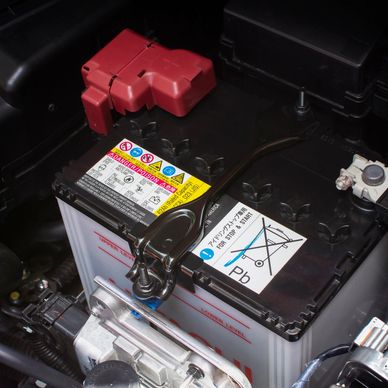
Ensure that your battery is tightly secured in its tray using a metal strap or bracket.
Battery terminals should be covered with rubber boots or duct tape to prevent any accidental shorts.
Make sure that the battery terminal connections are tight and there are no exposed wires. This is especially important when driving on the track, where vibrations and movement can loosen connections.
TIRES - WHEELS
BATTERY TIE-DOWN
TIRES - WHEELS
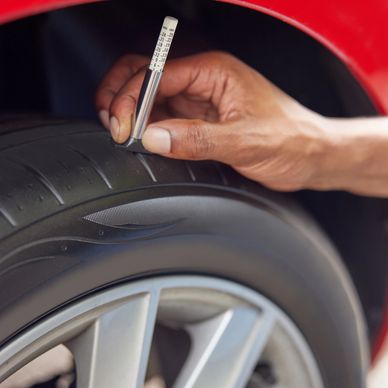
Check your tread depth is at least 3/32" for street tires. For race tires, ensure they’re in good condition with no visible wear or cording.
Inspect tires for cuts, punctures, manufacture dates or any defects.
Lug nuts should be present and torqued properly. Tighten to spec using a torque wrench.
If you have hubcaps or center caps, make sure they’re removed. Use a tire pressure gauge to check each tire’s pressure. Make sure they’re within the recommended range for track use (usually slightly lower than street pressures to improve grip).
FLUID LEAKS
STEERING & SUSPENSION
TIRES - WHEELS
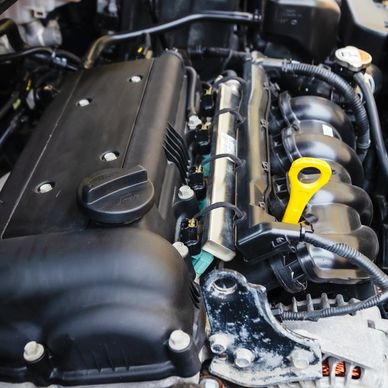
Look under the car for any oil, coolant, or brake fluid leaks.
Ensure that all hoses, especially radiator hoses, are secured properly and show no signs of cracking or leakage.
Give your car a quick wash to help spot leaks more easily, and always double-check your fluid levels.
BRAKES
STEERING & SUSPENSION
STEERING & SUSPENSION
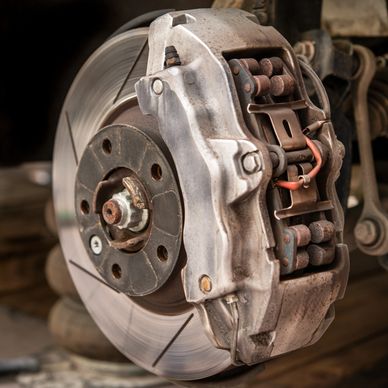
The brake pedal pressure should be firm. If it feels soft or spongy, it could indicate air in the lines or a fluid leak. Check the brake fluid is at the proper level and there are no leaks in the lines. Ensure that brake pads are at least 5mm thick. Check rotors for cracks or excessive wear.
Aftermarket pads or rotors should be verified with your instructor or tech official for track use.
STEERING & SUSPENSION
STEERING & SUSPENSION
STEERING & SUSPENSION
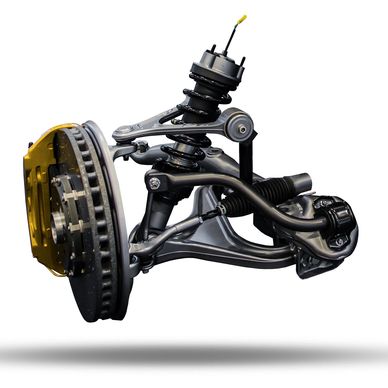
Check for wheel bearing play, you shouldn’t hear any grinding or notice any wobbling. Make sure the steering is tight and doesn’t have excessive play. Inspect the suspension components (shocks, struts, bushings) for signs of damage or leaks.
Get a friend to rock the steering wheel while you look for any visible movement in the steering rack or suspension.
LIGHTS
SAFETY EQUIPMENT
SAFETY EQUIPMENT
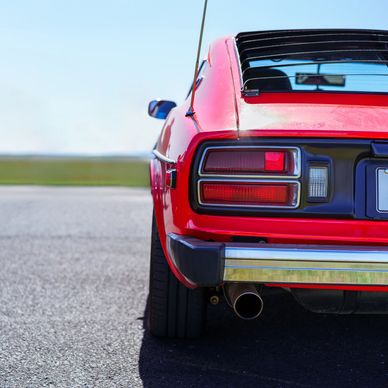
Before heading to the track, make sure all your car's lights are functioning correctly. This includes headlights, brake lights, turn signals, and hazard lights. A malfunctioning light could be dangerous on track, especially in the event of a caution or emergency.
Turn on all lights: headlights, brake lights, and signals.
Ensure brake lights light up when pressing the pedal.
Check that turn signals and hazard lights are operating smoothly.
Replace any bulbs that are out.
SAFETY EQUIPMENT
SAFETY EQUIPMENT
SAFETY EQUIPMENT

If you’re using a racing harness, make sure the mounting points are solid and the straps are not twisted.
A tow hook should be installed during events.
Roll bar required for Convertibles not equipped with factory rollover protection.
(Any aftermarket safety systems like Roll bars, Cages, Racing Harness and aftermarket seats etc. will be required to pass tech by organization).
TOW HOOK
SAFETY EQUIPMENT
TRACK DAY INSURANCE

All vehicles must have front and rear tow hooks or tow points installed before entering the track. These must be securely mounted and easily accessible to safety personnel. Decorative or non-functional tow hooks are not permitted. If your vehicle does not have a tow point, please install an appropriate recovery hook or strap loop before tech inspection.
TRACK DAY INSURANCE
TRACK DAY INSURANCE
TRACK DAY INSURANCE
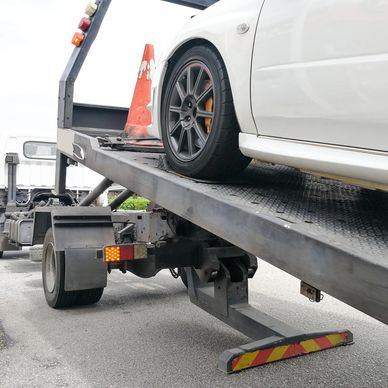
It’s important to understand that standard auto insurance does not cover any damage that occurs on a race track or closed course, even during non-competitive driving events like HPDE or track days. However, for drivers who want added peace of mind, there are specialized insurance options available through providers such as Hagerty and other motorsport-focused insurers. These policies are designed specifically for track use, offering coverage for physical damage during HPDE or performance driving events.
FINAL CHECKLIST
TRACK DAY INSURANCE
PROFESSIONAL HELP
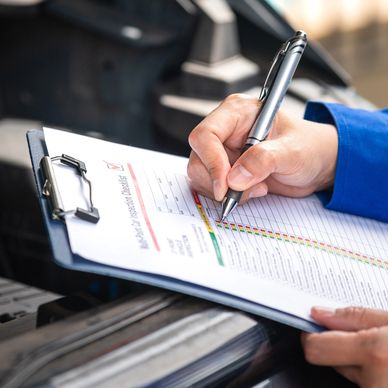
After performing your self-tech inspection, make sure to sign off on the checklist to confirm you’ve checked each item.
PROFESSIONAL HELP
TRACK DAY INSURANCE
PROFESSIONAL HELP

Not sure if your car is ready for the track? Our Dedicated Track Partner offers professional prep services, from custom alignments to full track-day setup. Let the experts ensure that your car is ready to perform at its best.